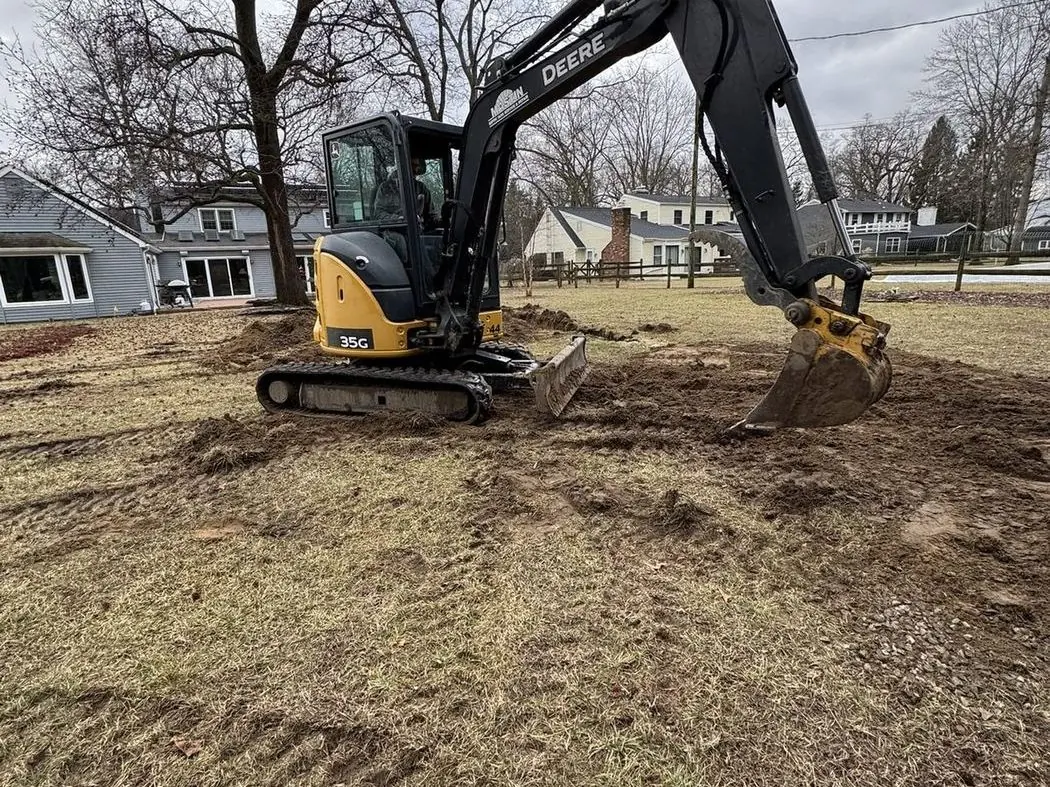
Drain field repair, rest, or replacement. We figure out what's actually wrong before recommending what to do about it.
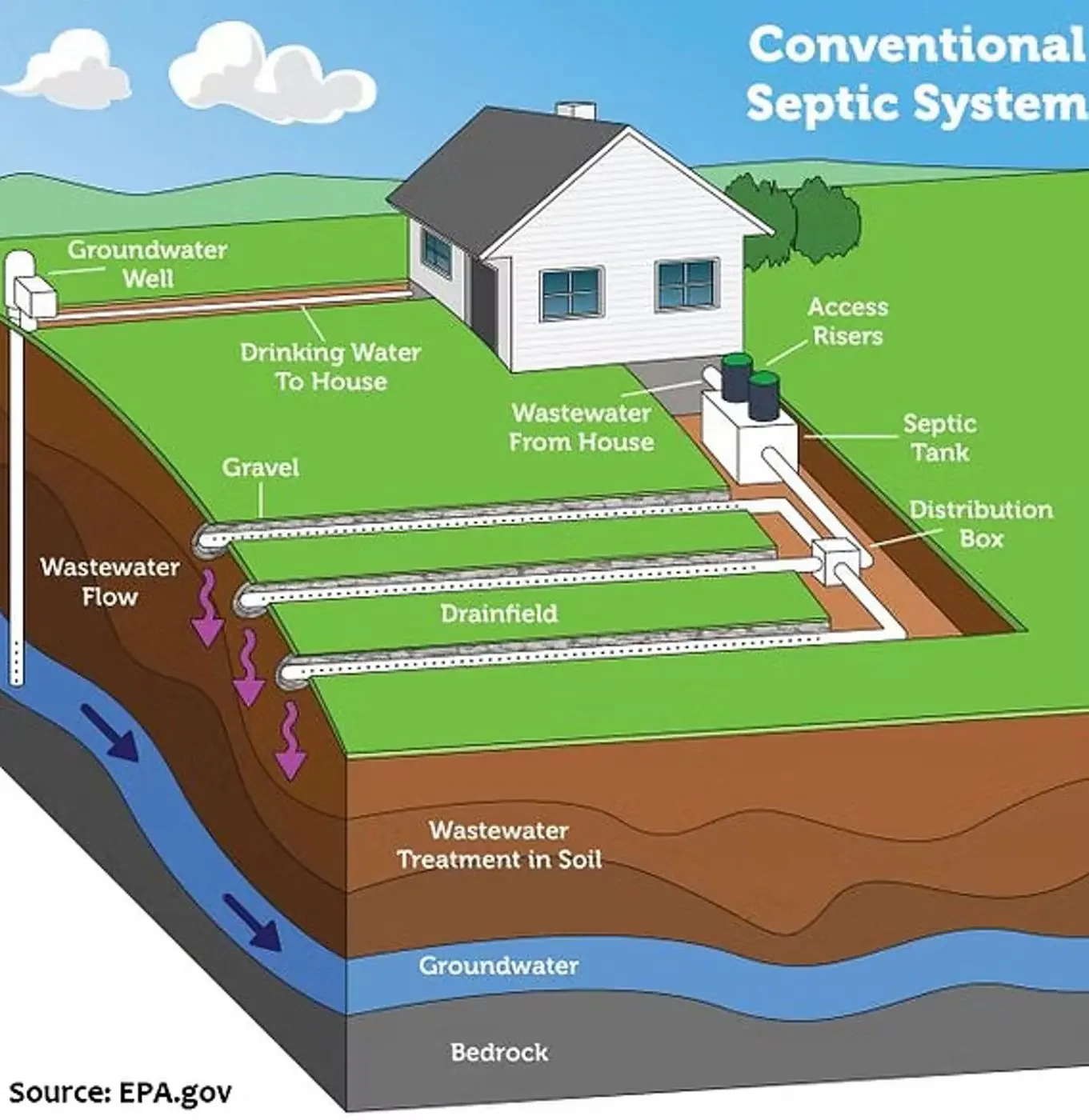
The leach field, also called the drain field, absorption field, or finger system, is the part of your septic system that actually treats the wastewater. After liquid leaves the tank, it flows through a network of perforated pipes buried in gravel-filled trenches. The water slowly filters down through the soil, where natural microorganisms break down any remaining contaminants.
Your tank gets most of the attention because it's what you think about when pumping time comes around. But the drain field is what actually treats your household wastewater. When the drain field fails, the whole system fails.
Leach field service covers everything from minor repairs (replacing damaged laterals, fixing a broken distribution box) to major work (resting a saturated field, installing additional laterals, full field replacement). We've been working on drain fields across Lucas, Fulton, Henry, and Wood County since 1960. The soil conditions, water table issues, and common failure modes in Northwest Ohio are familiar territory.
Whether you're dealing with a soggy yard, sewage smells outside, or a real estate inspection that flagged drain field problems, we can diagnose what's actually happening and give you honest options.
Get Free Quote →
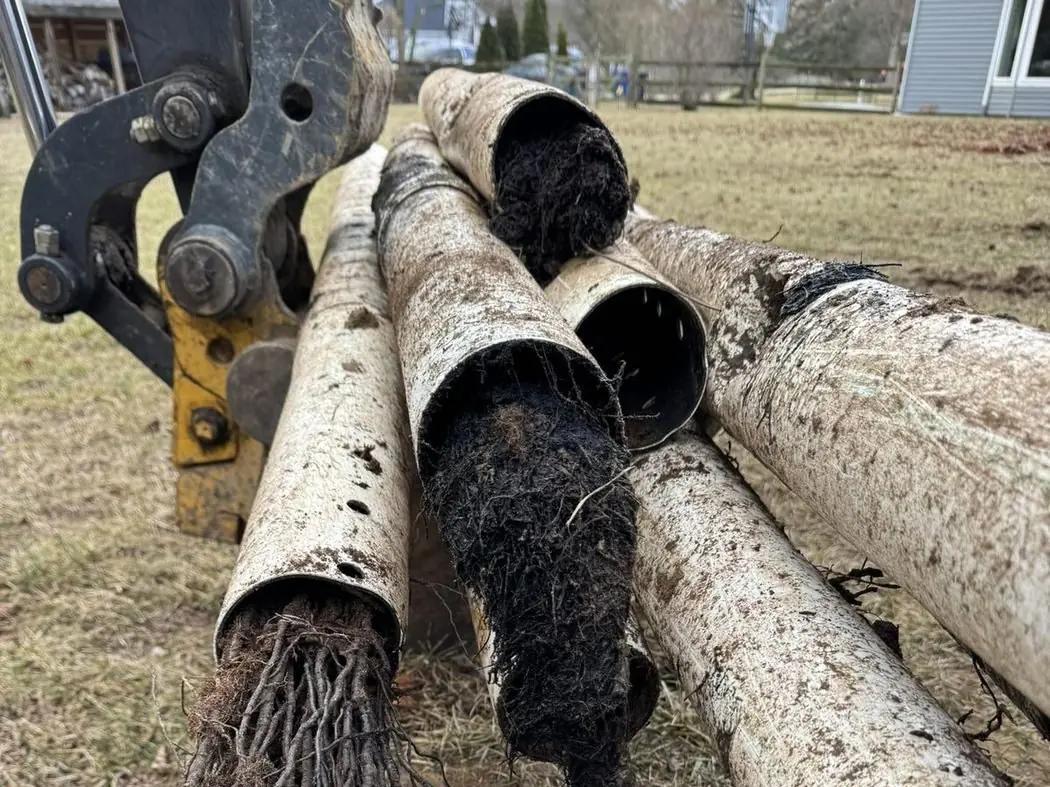
Drain fields don't fail randomly. They fail for specific, identifiable reasons. Understanding why helps us figure out whether yours can be repaired or whether it's reached the end.
That last point is why pumping matters so much. The biggest preventable cause of drain field failure is letting the tank go too long between pumpings. By the time solids get into the field, the damage is done. You can't pump them back out of the soil.
Get Free Quote →
From diagnosis to fix, we figure out what's wrong and what actually needs to happen.
We assess soggy spots, smells, vegetation patterns, and surface conditions to identify problem areas.
Sometimes pump the tank, sometimes dig test holes, always determine why before recommending what.
Repair, rest, or replace. We explain the options, costs, and likely outcomes for your situation.
Whatever the fix, we do it to current code with proper materials. Yard gets restored when we're done.
When we diagnose a drain field problem, the answer falls into one of three categories.
Repair. The most common outcome for newer systems with isolated problems. Damaged laterals can be replaced, broken distribution boxes can be fixed, root intrusion in specific spots can be addressed. Often this means digging up and replacing a section of the field, not the whole thing.
Rest. Sometimes a struggling field can recover if you significantly reduce water use for 6 to 12 months. We've seen marginal fields come back partway with rest, especially when paired with a tank pumping. This isn't a permanent fix, but it can buy time and is worth considering for older systems approaching end-of-life anyway.
Replace. When biomat buildup is widespread, when the field has been failing for years, or when soils are exhausted, replacement is the only real fix. New laterals in a new location, properly designed for current household capacity. Usually paired with tank inspection (and replacement if needed).
We always start by diagnosing what's actually happening. Sometimes through soil testing, sometimes through visual inspection, sometimes through monitoring the system after pumping the tank. We don't recommend replacement when repair will work, and we don't recommend repair when it'll just delay an inevitable replacement.
Get Free Quote →
Drain field problems can have multiple causes. We figure out what's actually happening first.
We know how local clay, water tables, and weather patterns affect drain fields here.
We recommend full replacement only when it's actually needed. Not as a default upsell.
All work meets current Ohio standards and is documented for future inspections.