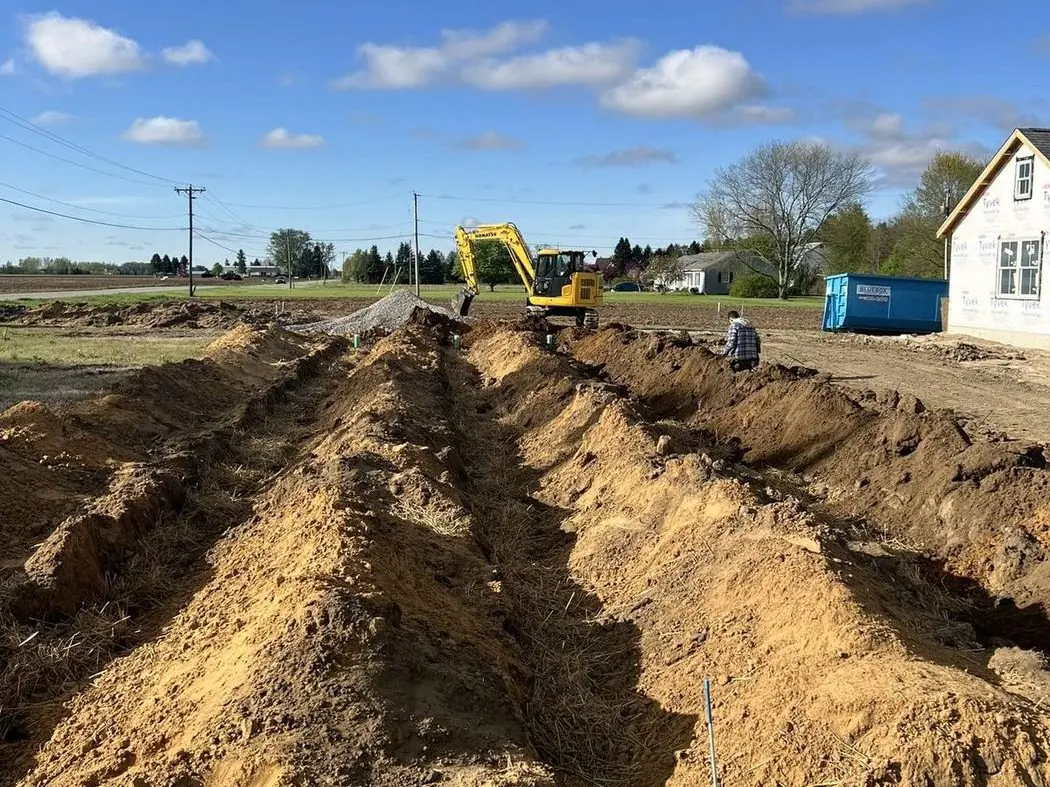
When repairs aren't enough anymore, we install systems built to last 30 or 40 years. Same shop that installed many of the originals.
A full septic replacement means removing or abandoning your existing system and installing a new one. Typically a new concrete tank, new piping, and a new or rebuilt drain field. It's the answer when repairs aren't enough, when the existing system was never up to current code, or when an old system has reached the end of its useful life.
Most septic systems in Northwest Ohio last 25 to 40 years with proper care. If yours is older than that and showing recurring problems, you're not alone. Replacement is often a better investment than repeatedly patching a failing system.
Replacement projects involve permitting, soil evaluation, new system design (since codes have changed substantially since older systems were installed), excavation, and installation. We handle every step from the initial site evaluation through final county inspection.
Many of the systems we replace today were installed by Mandi's grandfather Burton back in the 1960s and 70s. They got their full 50+ years out of the original install, and now we're installing what'll serve the next 30 or 40. We've been doing this long enough to install systems that outlived us, and to replace them when they finally wear out.
Get Free Quote →
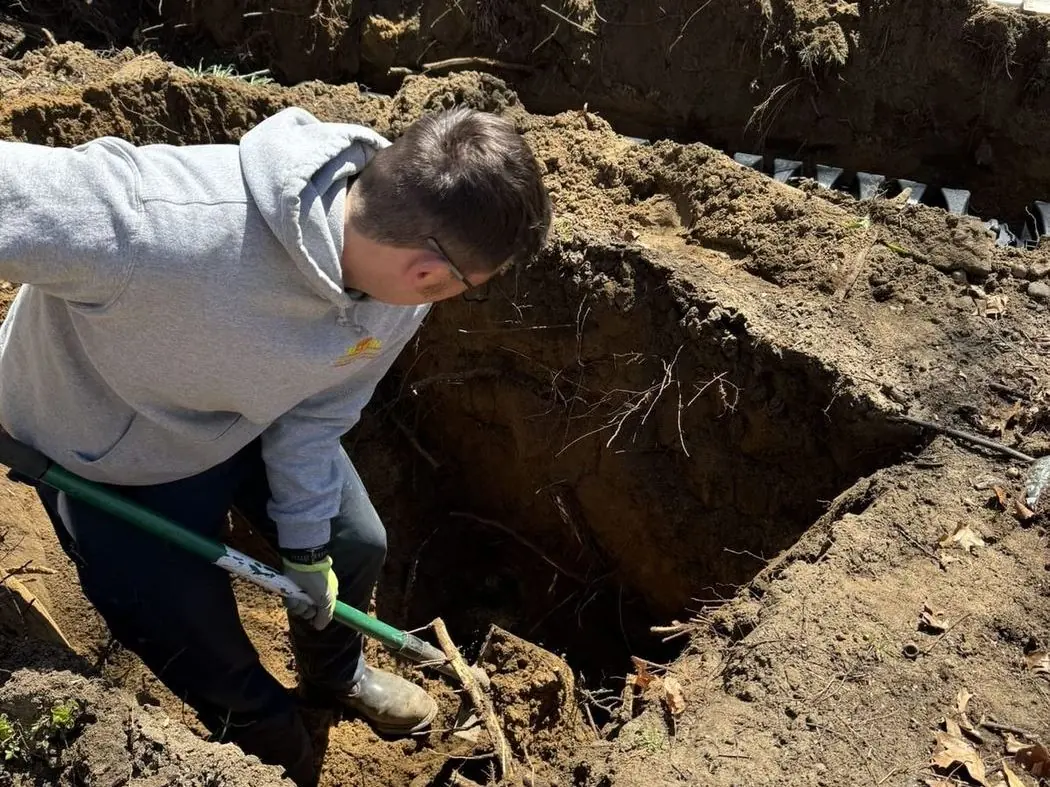
Even well-maintained systems don't last forever. Here's what wears out over time:
The transition from "this system needs another repair" to "this system needs replacement" usually happens gradually. Years of small repairs, increasingly frequent pumping, recurring problems that keep coming back. When you've spent thousands on repairs over a few years, you're probably ready for a replacement conversation.
Get Free Quote →
Most residential replacements take 4 to 8 weeks total, with 2 to 4 days of on-site work.
We assess your existing system, soil, and site conditions to design the right replacement.
New system designed to current code. Permits pulled with the county health department.
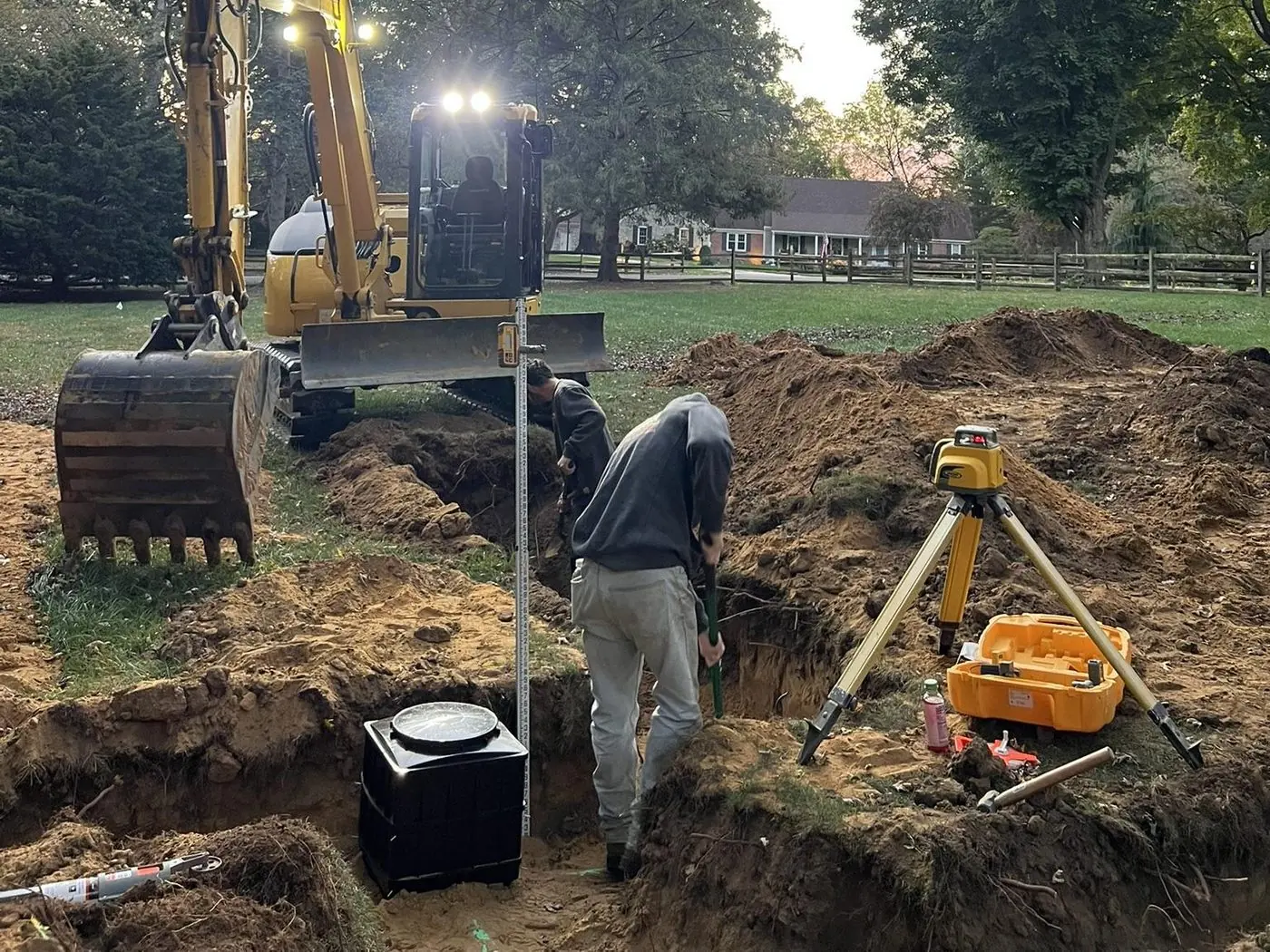
Old system pumped and removed or abandoned. New tank and drain field installed in 2 to 4 days.
County inspects, we backfill and restore your yard. System is ready to use immediately.
Replacement projects are bigger than repairs but smaller and faster than starting from scratch on undeveloped land. The property is already developed, so we're working around existing utilities, driveways, and landscaping.
Weeks 1 to 3: Evaluation and permitting. We assess the existing system, evaluate soil conditions (which may have changed since the original install), design the new system, and pull permits with the county health department.
Day 1: Old system removal or abandonment. The old tank gets pumped, then either removed entirely or properly abandoned per code (filled with sand or gravel and capped). Old drain field is excavated as needed.
Day 1 to 3: New installation. New tank set, new pipes, new distribution box, new drain field laterals. We typically use a different location for the new drain field because the old soil is exhausted from years of biomat buildup. The former field area gets graded and reseeded.
Day 3 to 4: Inspection and restoration. County inspects the new system, we backfill everything, restore the yard with topsoil and seed, and you can use the system the same day.
One thing we won't do: install a new tank in front of an old failing drain field. That's just setting up the same failure in five years. The new system gets a fresh, properly-sized drain field in good soil. Otherwise we're wasting your money.
Get Free Quote →
We installed many of the systems we're now replacing. We know what's down there.
Replacements have to meet current code, not just match the old system. We know the rules.
We grade, topsoil, and seed when we're done. Your yard recovers. It doesn't stay a dirt pile.
We'll tell you when replacement is overdue and when it can wait. No scare tactics.