📍 Whitehouse, OH · Serving Toledo & NW Ohio | Mon–Fri 8 AM – 5 PM
Call us | (419) 877-5351
System Replacement · Northwest Ohio

Septic System Replacement

When repairs aren't enough anymore, we install systems built to last 30 or 40 years. Same shop that installed many of the originals.

MASTIN

What A Full Septic Replacement Involves

A full septic replacement means removing or abandoning your existing system and installing a new one. Typically a new concrete tank, new piping, and a new or rebuilt drain field. It's the answer when repairs aren't enough, when the existing system was never up to current code, or when an old system has reached the end of its useful life.

Most septic systems in Northwest Ohio last 25 to 40 years with proper care. If yours is older than that and showing recurring problems, you're not alone. Replacement is often a better investment than repeatedly patching a failing system.

Replacement projects involve permitting, soil evaluation, new system design (since codes have changed substantially since older systems were installed), excavation, and installation. We handle every step from the initial site evaluation through final county inspection.

Many of the systems we replace today were installed by Mandi's grandfather Burton back in the 1960s and 70s. They got their full 50+ years out of the original install, and now we're installing what'll serve the next 30 or 40. We've been doing this long enough to install systems that outlived us, and to replace them when they finally wear out.

Get Free Quote →
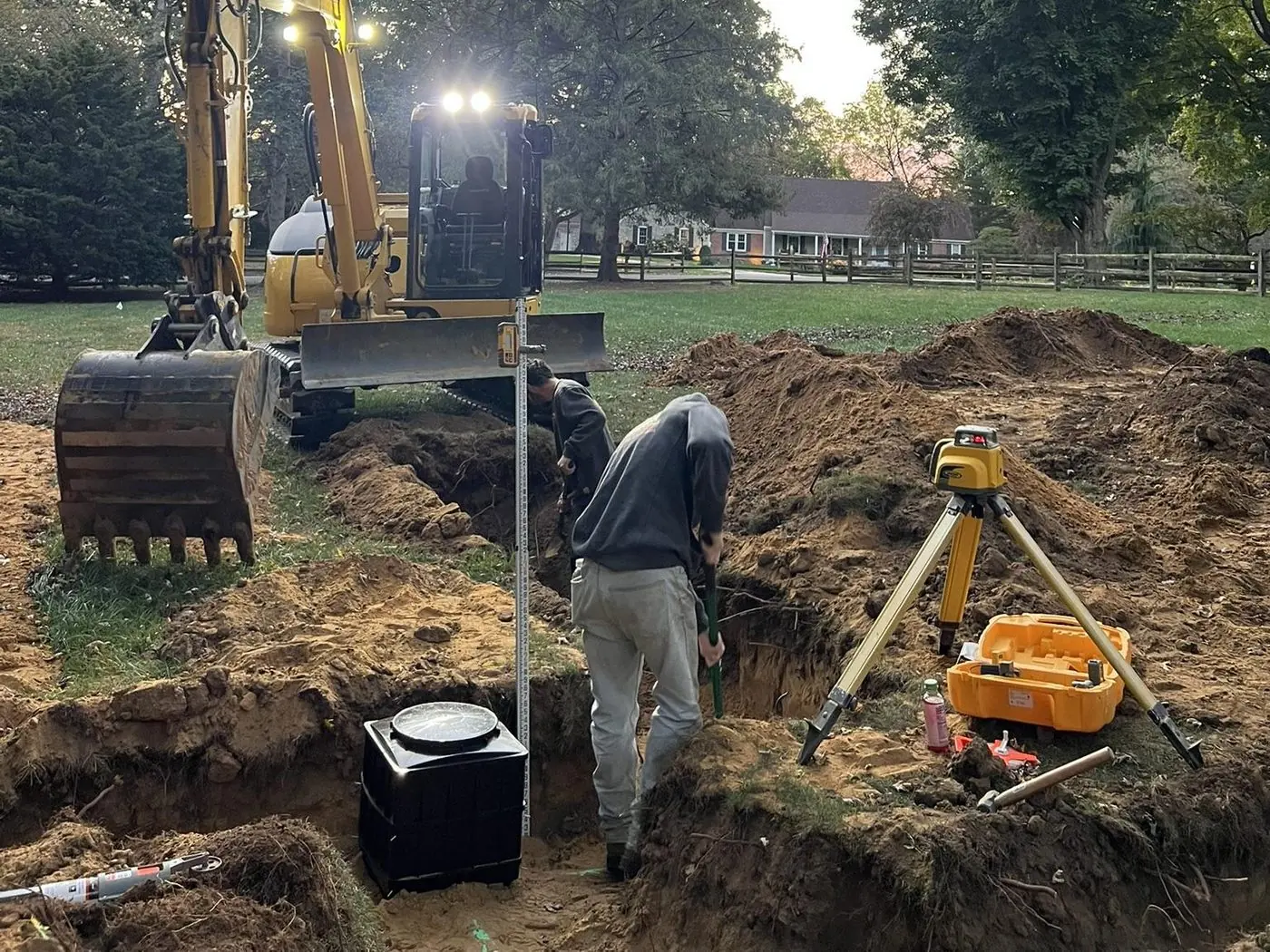
Septic system replacement in progress
Time To Replace?

Signs Your System Has Reached End Of Life

  • System is 25+ years old and showing recurring problems
  • Drain field is failing despite previous repairs
  • Tank has structural damage (cracks, collapse, severe corrosion)
  • System was never properly designed or never met current code
  • Repair costs would exceed 50% of replacement cost
  • Household has grown significantly beyond original design capacity
MASTIN

Why Septic Systems Eventually Need Replacement

Even well-maintained systems don't last forever. Here's what wears out over time:

  • Drain fields clog with age, soil pores around the laterals slowly fill with biomat (biological film). Eventually water can't infiltrate fast enough, and the system fails
  • Tanks degrade, concrete can crack, steel rusts (older systems used steel tanks), pipes corrode, and joints fail
  • Codes have changed, a system installed in 1975 wasn't designed to current standards. When it fails, you have to bring the replacement up to today's code
  • Household needs grow, adding bedrooms, bathrooms, or people eventually exceeds the original design capacity
  • Soil and site conditions change, drainage patterns, water tables, and soil saturation can shift over decades

The transition from "this system needs another repair" to "this system needs replacement" usually happens gradually. Years of small repairs, increasingly frequent pumping, recurring problems that keep coming back. When you've spent thousands on repairs over a few years, you're probably ready for a replacement conversation.

Get Free Quote →
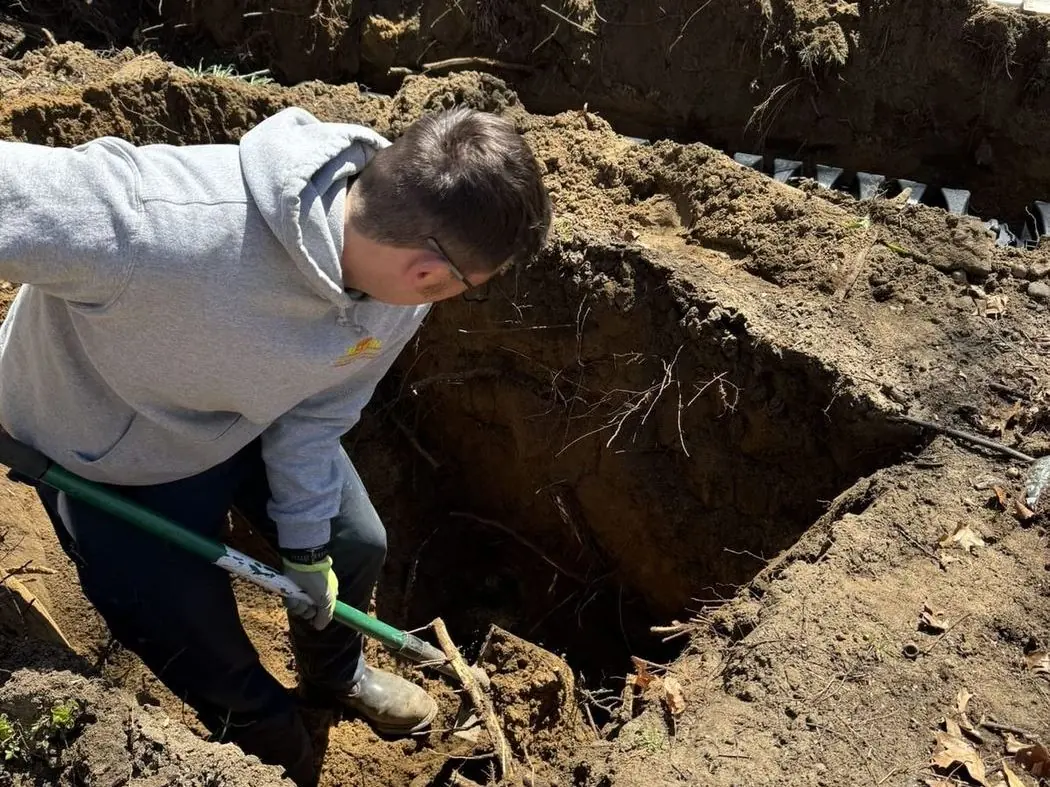
Old septic system being replaced with modern installation
How It Works

Replacement Project Timeline

Most residential replacements take 4 to 8 weeks total, with 2 to 4 days of on-site work.

01

Site Evaluation

We assess your existing system, soil, and site conditions to design the right replacement.

02

Design & Permits

New system designed to current code. Permits pulled with the county health department.

03

Remove & Replace

Old system pumped and removed or abandoned. New tank and drain field installed in 2 to 4 days.

04

Inspect & Restore

County inspects, we backfill and restore your yard. System is ready to use immediately.

MASTIN

What's Involved In A Replacement Project

Replacement projects are bigger than repairs but smaller and faster than starting from scratch on undeveloped land. The property is already developed, so we're working around existing utilities, driveways, and landscaping.

Weeks 1 to 3: Evaluation and permitting. We assess the existing system, evaluate soil conditions (which may have changed since the original install), design the new system, and pull permits with the county health department.

Day 1: Old system removal or abandonment. The old tank gets pumped, then either removed entirely or properly abandoned per code (filled with sand or gravel and capped). Old drain field is excavated as needed.

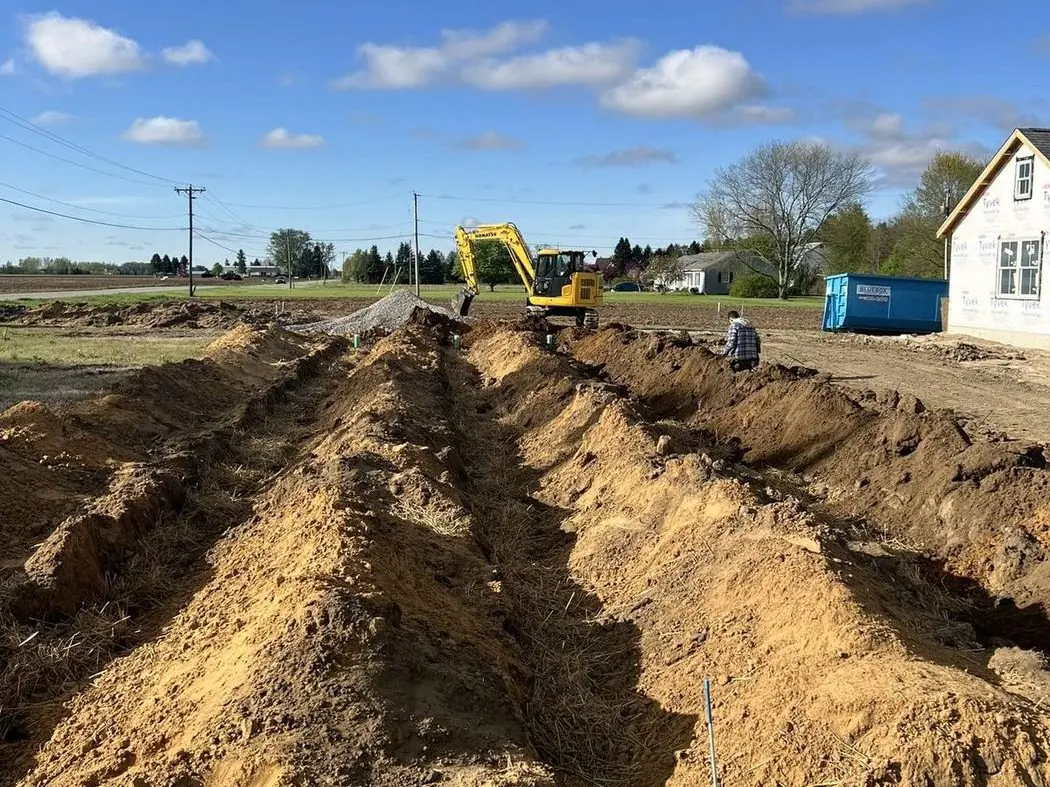
Day 1 to 3: New installation. New tank set, new pipes, new distribution box, new drain field laterals. We typically use a different location for the new drain field because the old soil is exhausted from years of biomat buildup. The former field area gets graded and reseeded.

Day 3 to 4: Inspection and restoration. County inspects the new system, we backfill everything, restore the yard with topsoil and seed, and you can use the system the same day.

One thing we won't do: install a new tank in front of an old failing drain field. That's just setting up the same failure in five years. The new system gets a fresh, properly-sized drain field in good soil. Otherwise we're wasting your money.

Get Free Quote →
New septic tank installation replacing outdated system
Why Mastin

Why Mastin For Your Replacement

🏛️

We Know Old Systems

We installed many of the systems we're now replacing. We know what's down there.

📋

Code Expertise

Replacements have to meet current code, not just match the old system. We know the rules.

🌱

Yard Gets Restored

We grade, topsoil, and seed when we're done. Your yard recovers. It doesn't stay a dirt pile.

🤝

Honest Timing Advice

We'll tell you when replacement is overdue and when it can wait. No scare tactics.

Frequently Asked Questions

Frequently Asked Questions

How do I know if my system needs replacement or just repair?
If you've had multiple repairs in the past few years, your system is 25+ years old, or repair costs are approaching 50% of replacement cost, replacement is usually the better investment. We'll evaluate your specific situation honestly and show you the math both ways.
How much does a full replacement cost?
Cost varies based on system type (conventional, mound, aerobic), site conditions, and complexity. A standard conventional replacement is the most affordable option. Mound systems and aerobic units cost significantly more. Call (419) 877-5351 for a real quote.
Can I use my old drain field with a new tank?
Almost never a good idea. If your existing drain field is failing or saturated, putting a new tank in front of it just delays the same failure. We strongly recommend installing a new drain field, typically in a new location, when replacing a system.
Will the county inspect my new system?
Yes. All NW Ohio counties require health department inspection of new septic installations, including replacements. We coordinate inspection scheduling and ensure the system passes before we backfill. You don't deal with the county directly.
How long can my old failing system keep going?
Hard to predict. Sometimes years, sometimes months. The risk of waiting too long is that minor failures become major emergencies (sewage in the house, yard contamination). If your system is showing serious warning signs, planning a replacement now beats scrambling after a failure.
Can replacement be done in winter?
We can do replacements year-round when conditions allow, but frozen ground complicates excavation. Most non-emergency replacements get scheduled for spring through late fall. If you have an active failure in winter, we'll figure it out, but it'll be more expensive and take longer.
What happens to my old septic tank?
Two options per code. Removal (we excavate and haul it away) or proper abandonment (pump, crack the bottom, fill with sand or gravel, cap). Both are acceptable. Removal is more thorough but more expensive. Abandonment is more common for older tanks that are difficult to remove without damaging the property.
Free Quote · No Obligation

Get a Quick Quote

Tell us a bit about what you need and we'll call you back within one business day. No pressure, no spam.

Prefer to call? (419) 877-5351

Real Customer Reviews

Real Reviews From Real Neighbors

Read All Reviews →

Ready to get started? We're a phone call away.

📞 (419) 877-5351 Request Service
📞
Tap to Call (419) 877-5351